
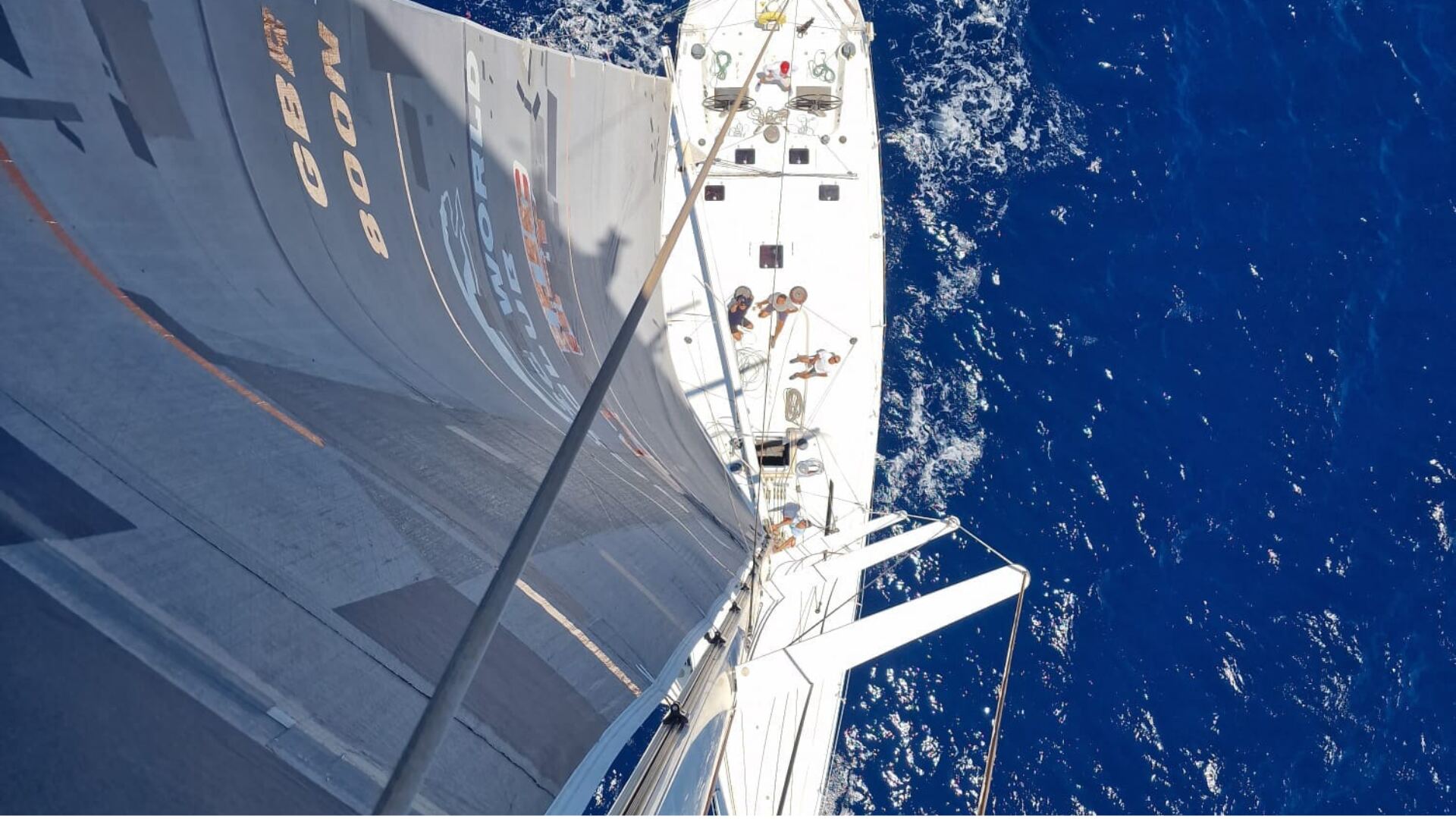

Offshore Atlantic
Operational Case Study
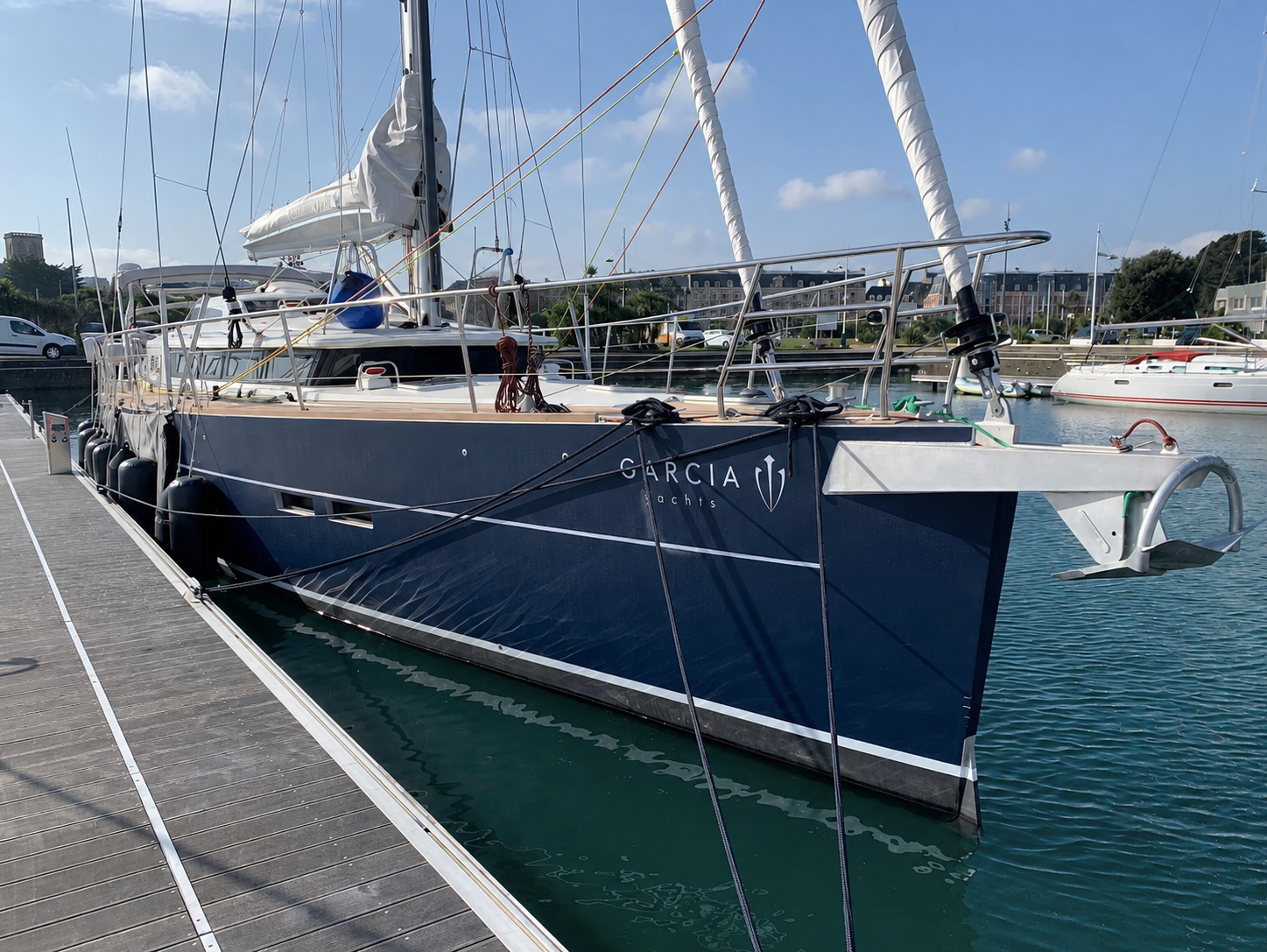
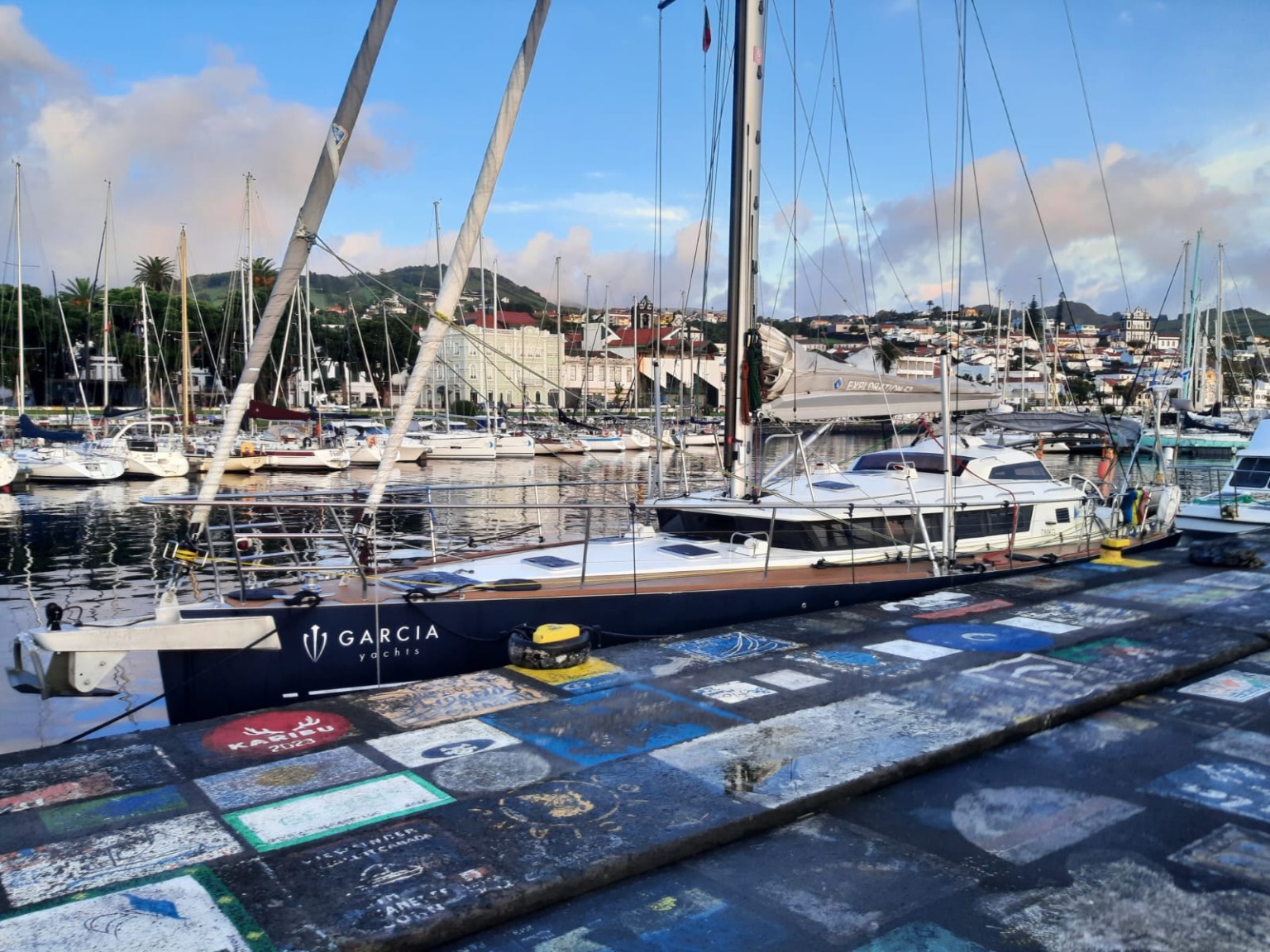
Garcia Exploration 52 yacht delivery: Ireland to the Azores
A managed offshore passage run by a qualified three-person delivery crew, with routing and weather decisions taken alongside the shore operations team.
At a glance
- Vessel
- Garcia Exploration 52
- Passage
- Ireland to the Azores
- Crew
- 3
- Captain
- Master 200 GT
- Mate
- Yachtmaster Offshore
- Engineering capability
- Yachtmaster + AEC2
- Communications
- Starlink + Garmin inReach
Passage gallery
Route overview
Route recorded in Navionics Boating.
Ireland
Departure region, after full departure checks.
Offshore Atlantic
West and southwest, clear of the Bay of Biscay continental shelf.
Coastal Portugal
Controlled deviation as low-pressure systems developed.
Azores
Return offshore and continuation when conditions permitted.
Passage objective and preparation
The requirement was a long offshore delivery from Ireland to the Azores, planned and crewed as an ocean passage rather than a series of coastal hops.
Full departure checks were completed before the vessel left. The crew was selected so the passage carried command authority, offshore watchkeeping depth and engineering coverage at sea: a Master 200 GT captain, a Yachtmaster Offshore mate, and a Yachtmaster-qualified crew member holding an AEC2 engineering qualification.
Routing approach
The planned routing went west and southwest, standing clear of the Bay of Biscay continental shelf rather than following the coast around it.
That choice is standard offshore practice for this corridor. Depth matters as much as wind: where deep Atlantic water shoals onto a continental shelf, swell arriving from an established weather system steepens and shortens, and the sea state a vessel meets can be materially worse than the wind alone suggests. Staying in deep water also keeps sea room available, so the crew can adjust course early as the pressure pattern develops instead of being pinned against a coast.
Weather-driven deviation
The operations team tracked incoming low-pressure systems as the passage progressed. As the weather developed, a controlled deviation toward coastal Portugal was taken.
The vessel subsequently returned offshore and continued to the Azores when conditions permitted.
This was active passage management, not an incident. A delivery plan is a starting position; the professional decision is to change it early and deliberately while options are still open.
Shore-team management and communications
Routing and weather decisions were managed with the shore operations team rather than left to the vessel alone. The crew ran the boat; the shore team held the wider weather picture and worked the options with the captain.
Starlink and Garmin inReach were carried aboard for communications and position reporting, which is what made that shared decision-making possible offshore.
Handover
At completion the owner received a handover report together with vessel advisories noted during the passage.
Operational lessons
- A qualified three-person crew gives a long offshore passage command depth, watchkeeping rotation and engineering cover at the same time.
- Offshore routing has to stay adaptable. The plan sets the intent, the weather sets the timing.
- Reliable communications are what connect the vessel to shore decision-making, not just to shore reporting.
- A deviation, taken early and deliberately, is often the correct professional decision.
- Departure checks at one end and a structured handover at the other bookend the passage and make it accountable.
Related delivery coverage
Assessing an offshore or Atlantic delivery
Tell us the vessel, the passage and the window you are working with. We come back with crew, a routing approach and a fixed price.
Start an enquiry